

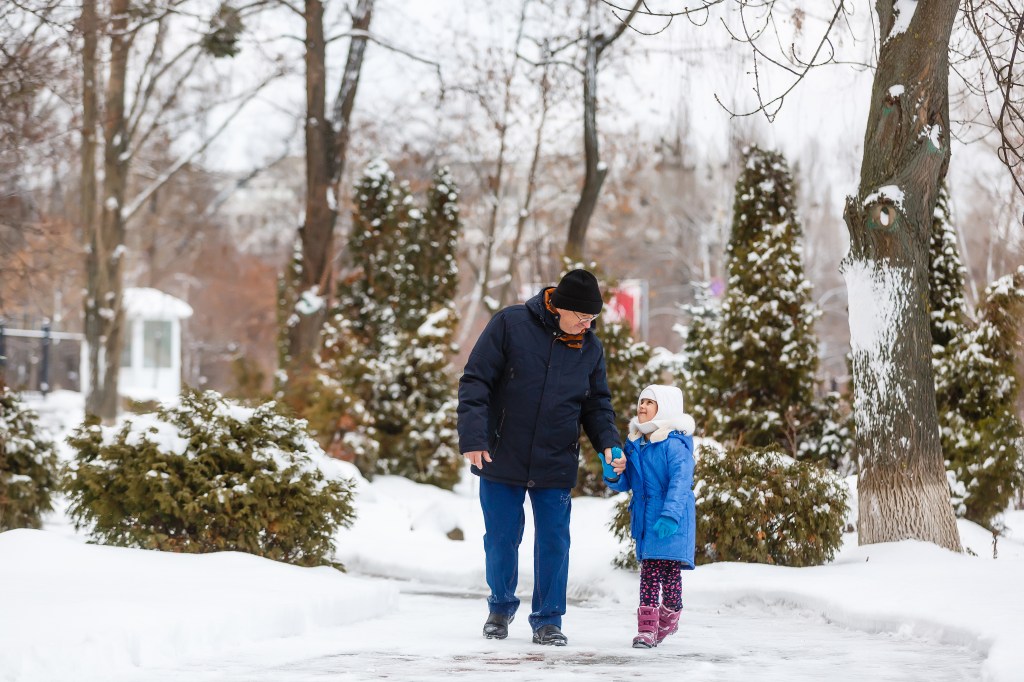
The holiday season is here, and for many, that means traveling to spend time with family and friends. However, for caregivers of individuals living with Alzheimer’s or other dementias, the combination of winter weather and holiday travel can bring unique challenges. By preparing ahead, caregivers can help ensure a safer, more enjoyable trip for everyone.
Winter weather conditions — such as freezing temperatures, snow, ice, and early darkness — can pose serious risks for individuals living with dementia. These conditions can be especially concerning as impaired judgment and difficulty communicating discomfort may make it harder for individuals with Alzheimer’s to recognize or respond to hazards. To help caregivers navigate holiday travel and winter conditions, the Alzheimer’s Association offers these essential tips:
Be Prepared
Winter weather can change quickly. Monitor forecasts regularly and have a plan in place for potential storms. Keep emergency supplies like blankets, flashlights, non-perishable food, and medications easily accessible in case of delays or power outages.
Dress for Success
Help your loved one dress appropriately for cold weather. Loose-fitting, dry layers provide warmth, while covering exposed skin can prevent frostbite. Ensure footwear has good traction to reduce the risk of slipping on ice.
Prevent Slips and Falls
Balance and mobility challenges are common for those living with Alzheimer’s or other dementias. Icy or slick surfaces can increase the risk of falls. Encourage smaller, slower steps and offer physical support when walking outside.
Maximize Daylight
The shorter days of winter can exacerbate disorientation or confusion, especially in darker environments. Plan travel and activities during daylight hours whenever possible, and ensure your destination is well-lit to reduce shadows that might cause confusion.
Monitor for Wandering
Wandering is a common and potentially dangerous behavior in individuals with Alzheimer’s, especially in unfamiliar settings. This risk increases during winter months, as shorter daylight hours can contribute to sundowning — a state of restlessness or agitation that occurs as day turns to night. Stay vigilant and keep track of your loved one’s movements.
Lean on Your Support Network
The holidays can also be an opportunity to ask for help. A recent Alzheimer’s Association survey found that 84% of caregivers would like more support in their caregiving roles, especially from family. Don’t hesitate to enlist others for assistance with tasks like meal preparation, snow removal, or running errands. A strong support system can ease stress and create more meaningful holiday moments.
Plan Ahead for Breaks
Holiday travel often involves long days and busy schedules. Plan regular breaks to rest and recharge, both for yourself and your loved one. Having quiet, familiar activities on hand — like a favorite book or music playlist — can provide comfort during hectic moments.
Additional Support is Always Available
The Alzheimer’s Association offers a wealth of resources to assist caregivers during the winter months and beyond. Visit https://www.alz.org/help-support/resources/helpline for more tips and tools to support you and your loved one. Additionally, the Alzheimer’s Association 24/7 Helpline is always available, including holidays, at 1-800-272-3900.
This holiday season, a little preparation can go a long way in ensuring safe and joyful travels for you and your loved one. By taking these precautions, you’ll be better equipped to handle challenges and create lasting memories together.
 ALZ Alaska Blog
Leave a comment